Q+A with Vijita Pandey, Sustainability Specialist (Dearborn, Michigan)
How do you describe the importance of sustainable design to those outside of the industry?
Sustainable design is all about creating products, buildings, and systems that not only improve our quality of life but also protect our planet for future generations. It is more than just being eco-friendly; it includes durability, efficiency, and well-being aspects. It helps with long-term financial savings and better health and supports well-being.
As a Sustainability Specialist, what is your “Why” for reaching carbon neutrality on Ghafari projects?
As a sustainability professional, reaching carbon neutrality is key for success in controlling climate change. Here I would mention Lester R. Brown, an insightful environmental analyst, who once said, “We have not inherited this earth from our forefathers; we have borrowed it from our children.”
This quote resonates profoundly with me, as it emphasizes our collective responsibility to nurture and protect the planet. It compels me to envision a future where we return to the next generation a vibrant and thriving world, one that is as rich in resources and beauty as it was when we first came into it. It is our duty to ensure that our children inherit a flourishing environment, filled with the same wonders and opportunities we have enjoyed.
Why did you decide to become a LEED Accredited professional?
Approximately a decade back, during my tenure as an architect in India, I had the opportunity to work on a project that was LEED Silver rated. Through this experience, I gained valuable insights into the advantages and savings associated with energy consumption and water, which left a significant impression on me. This exposure allowed me to appreciate the potential of the LEED rating system as a means to contribute to the reduction of the environmental impact of the built environment. It was a strategic decision for me to engage in the “green building movement”.
What sustainable materials / technologies have you applied on Ghafari projects?
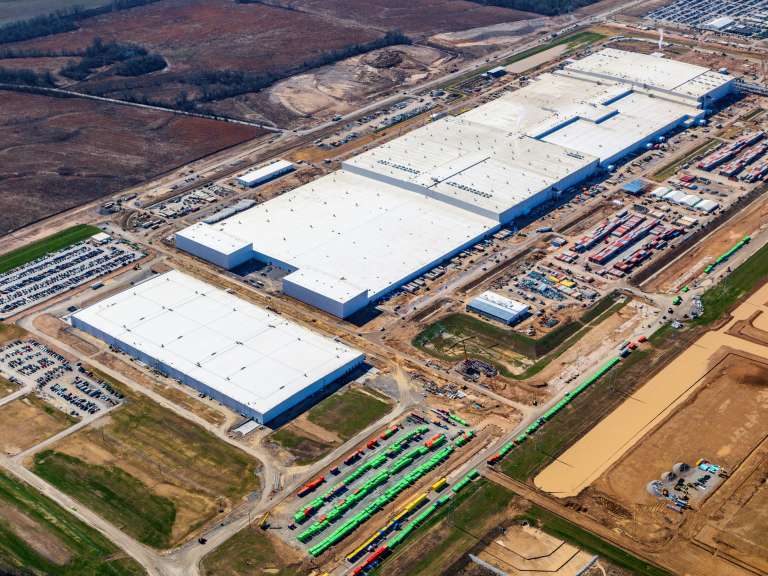
I had the privilege of contributing to one of our automotive plant projects as part of a pilot initiative. Our team utilized Autodesk Insight for energy modeling, focusing on predicting energy use intensity (pEUI). We also initiated a promising analysis of onsite renewable energy production and its potential savings.
To effectively address the urban heat island effect, we carefully selected roofing materials with an impressive Solar Reflectance Index (SRI) of 98.54. This choice significantly minimizes heat absorption, contributing to a more sustainable environment.
In our efforts to promote water efficiency, we chose sanitary fixtures and fittings designed for low flow rates, resulting in a remarkable 36% reduction in indoor water consumption. Furthermore, by implementing 10-second metered faucets, we achieved additional savings of up to 44%.
We also conducted a comprehensive embodied carbon life-cycle assessment (LCA) using One Click software, identifying key materials such as concrete, insulation, insulated metal panels, and steel, which had the most substantial impact on embodied carbon. Collaborating with architects, we explored and recommended low embodied carbon materials available in the market. Through these thoughtful optimizations in material selection, we successfully accomplished a 36% reduction in embodied carbon, moving us closer to our sustainability goals.
How would you describe Ghafari’s culture of sustainability?
As an AIA 2030 Signatory, Ghafari is actively reinforcing our commitment to sustainability through a comprehensive Sustainability Action Plan (SAP). This dedication is evident in our projects, where we prioritize thoughtful design, responsible material selection, efficient building services, and specifications. The establishment of our Sustainability Taskforce is a commendable initiative that ensures the SAP can be effectively integrated at all levels of organization.
Beyond project implementations, we take proactive steps to minimize waste generation in office, focusing on both electronic items and everyday cutlery. By choosing eco-friendly products for office maintenance, we are further enhancing sustainability efforts. Additionally, I see a positive office work culture of appreciating team members, which contributes to a sustainable culture for sure.
How are you supporting Ghafari’s sustainability action plan as an AIA 2030 Commitment signatory firm?
As a member of the sustainability team, I am dedicated to advancing our Sustainability Action Plan and actively supporting the team in developing awareness sessions. These sessions focus on key topics such as low embodied material selection, daylighting analysis, embodied carbon analysis, and simple box energy modeling. I also contribute to our monthly internal SharePoint articles to enhance general awareness within the organization. Looking ahead, I’m particularly excited about exploring ways to better integrate our SAP targets into a wider range of projects.
What role does sustainability play in your life outside of work?
Sustainability plays a vital role in my life. I’ve become more aware of my choices, so I strive to be a mindful consumer by following the principle of “buy less and buy better”. At home, I’m conscious of our energy and water usage. My family prefers cooking plant-based meals, as they offer a healthier alternative. I try to respect all aspects of our resources and avoid waste. Additionally, I try to minimize the use of chemicals in both our home and garden, opting instead for herbal products whenever possible.